Choosing the right label is about more than size, shape, or design. The material matters just as much. The wrong label material can peel, fade, smudge, tear, or fail to scan. The right material can improve durability, readability, workflow efficiency, and long-term performance.
There are many label material types available, and each one is designed for different environments and applications. A paper shipping label may work well for a short-term package, while a polyester barcode label may be better for a manufacturing floor, warehouse rack, or piece of equipment.
In this guide, we will break down the most common types of label materials, their benefits, and where each one works best.
What Are Label Material Types?
Poor warehouse organiLabel material refers to the surface material used to create the label. This is often called the facestock. It is the part of the label that gets printed and applied to a product, package, shelf, pallet, or piece of equipment.
When comparing different types of labels, it helps to look at three key parts:
- The label material
- The adhesive
- The printing method
Each part affects how the label performs. For example, a label used on a cardboard shipping box does not need the same durability as a label used on metal equipment, refrigerated inventory, warehouse racking, or chemical containers. For businesses that need labels built around specific applications, custom label printing solutions make it easier to match the right material, adhesive, and format to the job.
Why Choosing the Right Label Material Matters
The right label material helps ensure that your label stays readable, sticks properly, and performs throughout its intended use.
Before choosing a label, consider:
- Will the label be used indoors or outdoors?
- Will it be exposed to moisture, heat, cold, or chemicals?
- What surface will it be applied to?
- Does it need to support barcode scanning?
- Is the label temporary or long-term?
- Will it be printed with direct thermal, thermal transfer, digital, or flexographic printing?
Barcode performance is also important. If a label is used for inventory, shipping, or tracking, the barcode needs to remain clear and scannable. Following recognized barcode standards helps support reliable scanning across systems.
Read More: Tips for Choosing the Correct Shipping Label Size
Essential Label Information to Know
From facestock and adhesive to liner, here is the essential information you need to understand labels.
Facestock: The Surface That Carries Your Data
The facestock is the top layer where your information is printed. Whether you are using thermal transfer or direct thermal printing, this material needs to be compatible with your ink or ribbon to ensure it does not smudge.
Adhesive: Permanent vs. Removable Solutions
Not all “sticky” is created equal. Some adhesives are designed to bond forever to rough surfaces like wood pallets, while others need to peel away cleanly from a medical chart without leaving a sticky residue.
Liner: The Unsung Hero of Application Speed
The liner is the backing paper that carries the label until it is applied. If you use an automated labeling machine, the thickness and “release force” of your liner are critical to preventing jams.
Common Label Material Types and Their Applications
Different label materials are built for different purposes. Below are some of the most common options businesses use.
Paper Labels
Paper labels are one of the most common and cost-effective label material types. They are easy to print, versatile, and ideal for short-term or indoor applications.
Paper labels are often used when long-term durability is not the main concern. They work well for general packaging, basic product labeling, office use, and many shipping applications.
Common benefits of paper labels include:
- Cost-effective production
- Clean print quality
- Easy customization
- Good performance for indoor use
- Strong option for short-term labeling
Paper labels are commonly used for shipping labels, packaging labels, address labels, and retail product labels.
Direct Thermal Labels
Direct thermal labels are printed using heat-sensitive material. They do not require a ribbon, which makes them efficient for fast-moving environments.
This type of label is commonly used for short-term applications where the label does not need to last for years. It is popular in shipping, logistics, healthcare, and warehouse workflows.
Direct thermal labels are useful for:
- Shipping labels
- Receipts
- Short-term barcode labels
- Healthcare identification labels
- Warehouse processing labels
Since direct thermal labels can darken when exposed to heat, sunlight, or abrasion, they are best for short-term use. For businesses that rely on thermal printing, thermal label solutions can help match the right material and ribbon setup to the application.
Thermal Transfer Labels
Thermal transfer labels use a ribbon to create a more durable printed image. Compared to direct thermal labels, thermal transfer labels are better suited for long-term identification and tougher environments.
They are a strong choice when labels need to resist abrasion, moisture, chemicals, or repeated handling.
Thermal transfer labels are often used for:
- Barcode labels
- Asset labels
- Warehouse labels
- Manufacturing labels
- Equipment identification labels
For demanding environments where scanning accuracy matters, industrial barcode labels are often a better fit than standard paper or short-term label materials.
Polypropylene (BOPP) Labels
Polypropylene (BOPP) is a plastic-based film that is much tougher than paper. It is resistant to water, oil, and most household chemicals. It is a middle-ground material that offers great durability without the high price tag of heavy-duty polyesters.
It is commonly used when labels need to resist moisture or light handling. This material is popular in retail, healthcare, packaging, and product labeling because it offers a clean appearance and enhanced durability.
Benefits of polypropylene labels include:
- Moisture resistance
- Flexibility
- Smooth print surface
- Good durability for packaging
- Strong visual appeal
Polypropylene can be a good fit for product packaging, healthcare labels, and retail barcode labels where appearance and scannability both matter.
Vinyl Labels
Vinyl labels are flexible, durable, and weather-resistant. They are often used for outdoor applications or surfaces that may be curved, uneven, or exposed to changing conditions.
Vinyl labels are commonly used for:
- Outdoor equipment labels
- Safety labels
- Industrial identification
- Warning labels
- Construction and manufacturing applications
For production environments that require durability and clear identification, manufacturing labels can be customized to fit the surface, workflow, and environment.
Film Labels
Film labels include synthetic materials designed for durability, moisture resistance, and a polished appearance. These labels are often used when businesses want a cleaner look or need better performance than paper.
Film labels are common in retail, healthcare, packaging, and specialty product labeling.
They are useful for:
- Branded product labels
- Healthcare product labels
- Moisture-resistant packaging
- Durable product identification
- Specialty labels
Since film labels can be customized by finish, thickness, adhesive, and print method, they are a flexible option for many industries.
Linerless Labels
Our catalog of linerless labels are designed without a traditional release liner. This helps reduce waste and can improve efficiency in high-volume environments.
Since there is no liner to remove and discard, businesses can reduce material waste, increase roll capacity, and streamline labeling workflows.
Linerless labels are often used in:
- Retail
- Food service
- Logistics
- Warehousing
- High-volume labeling operations
For businesses looking to improve efficiency and reduce waste, linerless labels can be a practical solution.
RFID Labels
RFID labels combine printed label materials with embedded RFID technology. Unlike traditional barcodes, RFID labels can be read without direct line-of-sight scanning.
This makes them useful in environments where speed, automation, and inventory visibility are important.
RFID labels are commonly used for:
- Warehouse tracking
- Retail inventory
- Manufacturing workflows
- Healthcare asset tracking
- Supply chain visibility
For advanced tracking applications, RFID labels can help businesses improve automation and reduce manual scanning. You can also review RFID technology basics from GS1 for more information on how RFID supports identification and tracking.
Pattern Adhesive Labels
Pattern adhesive labels use adhesive in specific areas rather than across the full label. This controlled adhesive placement can help solve issues related to application, feeding, or surface contact.
This type of label is especially useful in specialized printing and application environments where adhesive flow, edge buildup, or machine performance matters.
Pattern adhesive labels can help with:
- Cleaner application
- Improved press and printer performance
- Reduced adhesive seepage
- Specialty manufacturing applications
- High-speed labeling workflows
For applications that require controlled adhesive placement, pattern adhesive labels may be a better solution than standard adhesive labels.
Read More: What Are the Benefits of Using Tamper Proof Security Labels?
Different Types of Labels by Application
Understanding different types of labels by material is helpful, but many businesses choose labels based on how they will be used. Here are some common application categories.
Warehouse and Inventory Labels
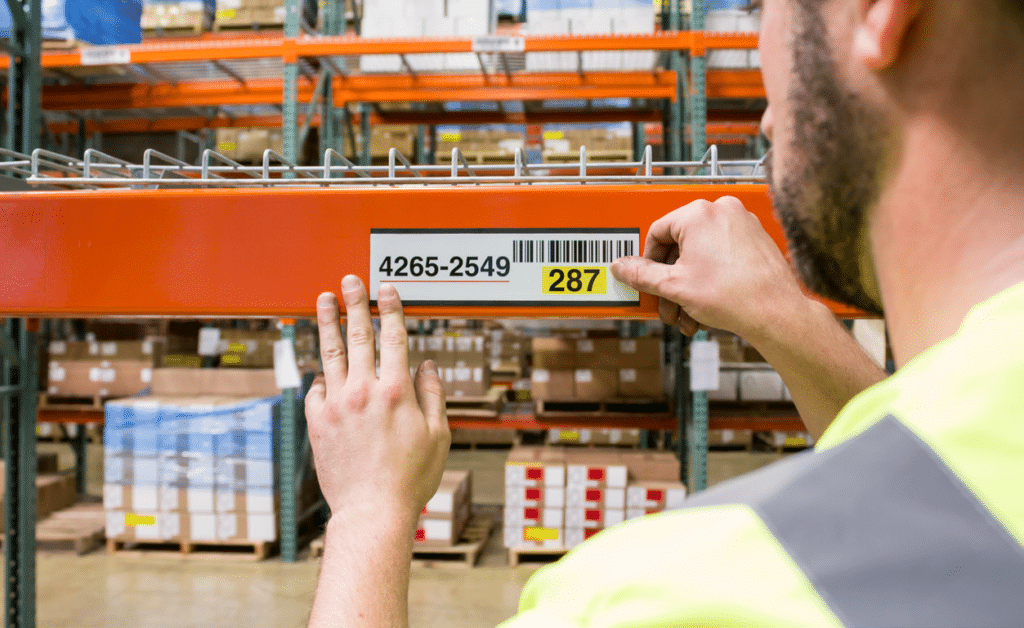
Warehouse labels need to be easy to scan, easy to read, and durable enough to withstand busy environments. These labels may be applied to pallets, racks, bins, cartons, totes, and inventory locations.
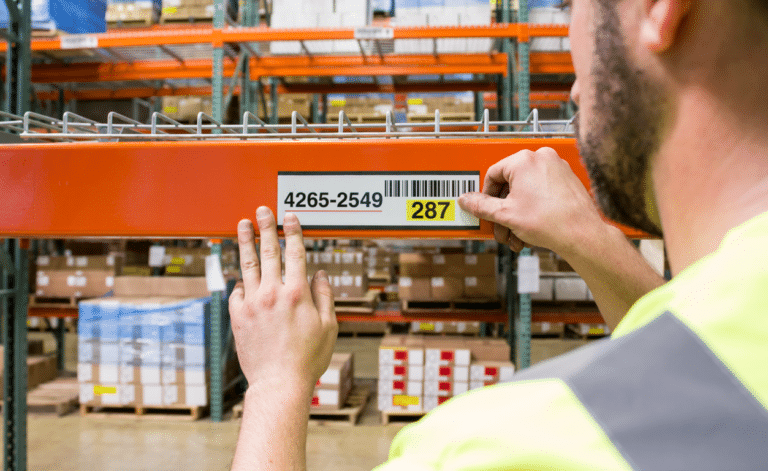
Common warehouse labeling products include warehouse pallet labels, rack labeling systems, and LPN barcode labels.
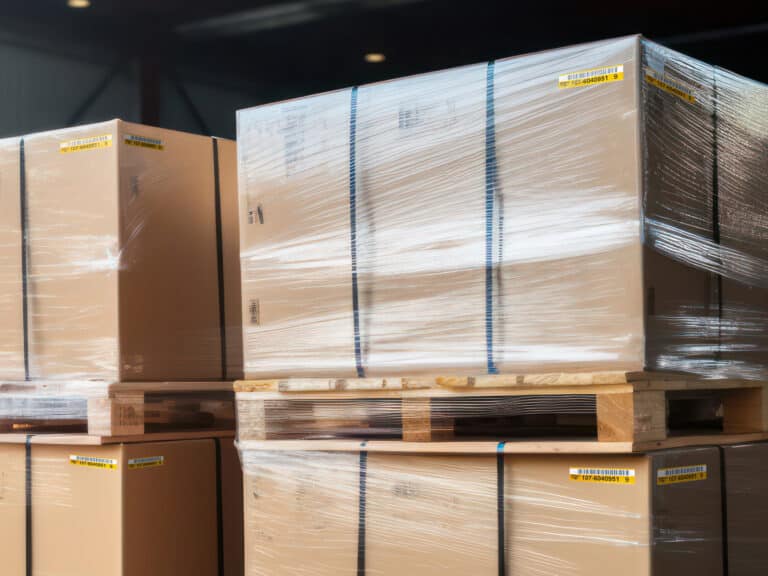
The correct label material depends on the surface and environment. For example, pallet labels may need high visibility, while rack labels may need durable adhesives and scannable barcodes.
Shipping and Fulfillment Labels
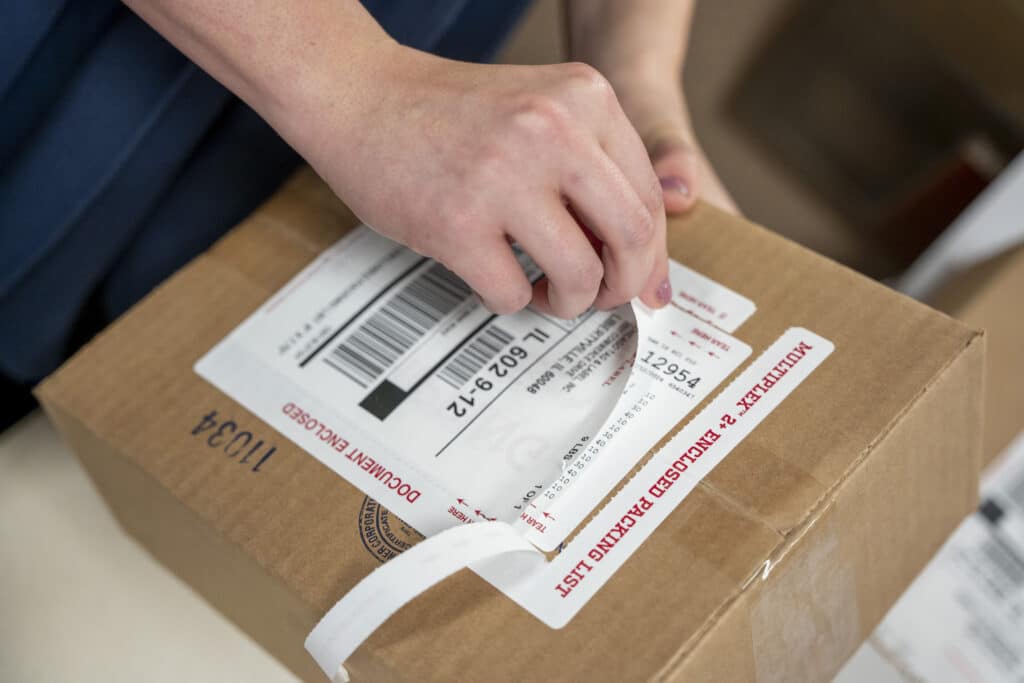
Shipping labels are usually designed for readability, fast printing, and reliable application to cartons or packaging materials. Many operations use thermal labels for speed and efficiency.
For more advanced workflows, shipping label forms and tags can combine labels, documentation, and shipping information into a streamlined process.
Manufacturing and Industrial Labels
Manufacturing environments often require a type of label material that can resist heat, abrasion, chemicals, and heavy handling. These labels are used for parts, equipment, inventory, safety information, and process control.
In these settings, synthetic materials such as polyester, vinyl, or other durable films often perform better than standard paper.
Retail Labels and Tags

Retail labels need to balance appearance, barcode performance, and brand presentation. Retail businesses may also use retail hang tags to display pricing, branding, barcodes, and product information.
Healthcare Labels
Healthcare labels must support accuracy, readability, and patient safety. These labels may be used for wristbands, medications, specimens, records, and equipment. Chicago Tag & Label offers healthcare labels and wristbands designed for healthcare identification needs.
View Our Selection of Custom Labels
There are many label material types, and each one has a purpose. Paper labels may be ideal for short-term indoor use, while synthetic materials such as polypropylene, polyester, vinyl, and film labels offer more durability for demanding applications.
To explore options for your application, view our custom label printing solutions.
Chicago Tag & Label works with businesses across industries to create labels that match the application, environment, and workflow. Whether you need continuous feed labels, durable barcode labels, healthcare identification products, or thermal label solutions, the right material choice can make your labeling system more reliable.
Give our team a call at (800) 826-8260 if you need assistance choosing the correct type of label and materials for your next project.