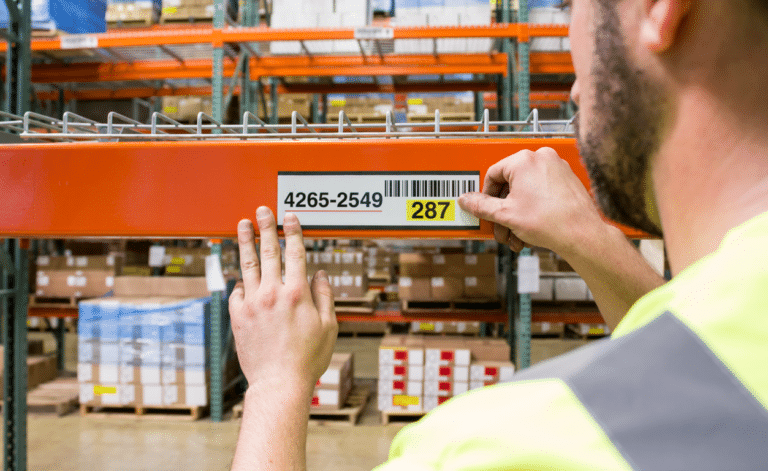
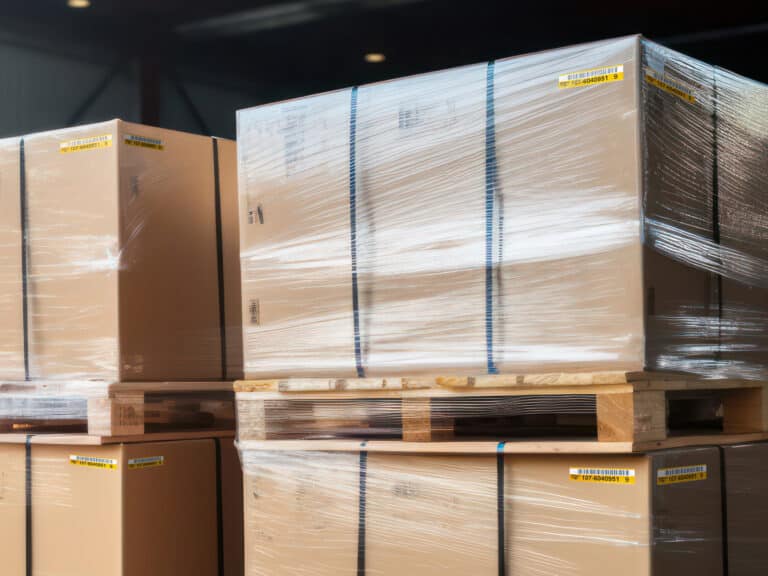
Cold storage environments present unique challenges for labeling. No matter if you’re working in food distribution, pharmaceuticals, or warehouse logistics, standard labels often fail when exposed to freezing temperatures. The result? Lost inventory, unreadable barcodes, and costly operational errors.
Understanding how freezer grade labels work, and how to prevent adhesive failure, is critical to maintaining accuracy and efficiency in cold storage environments.
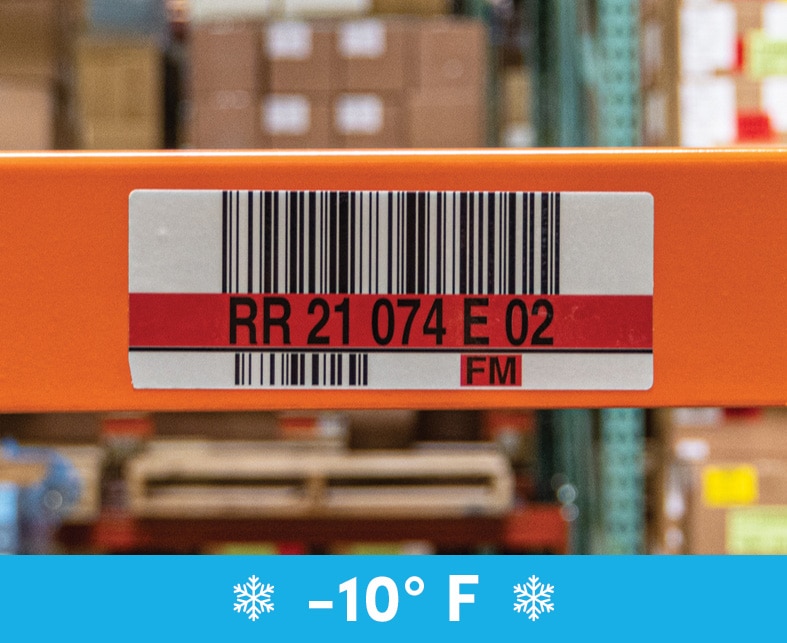
What Are Freezer Labels?
Freezer grade labels are specifically designed to perform in low-temperature environments where standard adhesives and materials fail. Unlike conventional labels, they use specialized adhesives and durable materials that maintain their bond even in freezing conditions.
These labels are commonly used in:
- Food and beverage storage
- Pharmaceutical cold chain logistics
- Warehouse and distribution centers
The difference lies in the adhesive system, which is engineered to bond effectively at low temperatures and resist moisture and frost.
Why Labels Fail in Cold Storage Environments
One of the biggest misconceptions is that any label can perform in a freezer. In reality, most adhesive failures come down to a few critical factors.
Adhesive Breakdown at Low Temperatures
Standard adhesives lose their ability to bond as temperatures drop. This is because adhesives require a certain level of energy to “wet out” and adhere to a surface.
If labels are applied below their recommended temperature range, they may never fully bond, leading to peeling or falling off entirely.
Condensation and Moisture Issues
Cold storage environments often involve temperature transitions, such as moving products from ambient conditions into a freezer.
This creates condensation, which prevents adhesives from properly bonding. Even a small amount of moisture can compromise label performance.
Surface Challenges (Cardboard, Plastic, Stretch Wrap)
Different surfaces behave differently in cold environments:
- Cardboard absorbs moisture
- Plastic surfaces can be slick and low energy
- Stretch wrap creates uneven application areas
These factors make it even more important to choose a durable freezer label with the correct adhesive.
Common Causes of Adhesive Failure
- Applying labels after products are already frozen
- Labeling surfaces that are wet, frosted, or dirty
- Using standard adhesives instead of freezer-grade options
- Poor surface preparation before application
Application Temperature vs Service Temperature
Understanding the difference between these two terms is essential when selecting freezer labels.
What is Application Temperature?
Application temperature refers to the temperature at which the label is applied.
What is Service Temperature?
Service temperature refers to the temperature the label must withstand after application.
Most adhesive failures occur because labels are applied below their recommended application temperature, even if they are rated for freezing service conditions.
Following proper low temperature labeling guidelines helps make sure labels bond correctly and remain secure throughout the supply chain.
How to Choose the Right Freezer Grade Label
Selecting the right label for cold storage involves more than just temperature resistance. You need to consider the full environment and workflow.
- Choose adhesives designed for low-temperature application
- Match label material to the surface (plastic, cardboard, etc.)
- Ensure barcode readability and print quality
- Consider moisture and condensation exposure
- Test labels under real operating conditions
Using durable industrial barcode labels supports long-term performance and reliable scanning in harsh environments.
Best Label Materials for Freezer and Cold Storage
Material selection plays a major role in freezer label performance.
- Paper labels: Cost-effective but limited in extreme cold or moisture
- Synthetic labels (polypropylene, polyester): More durable and moisture-resistant
- Specialty freezer-grade materials: Designed specifically for cold storage applications
If your operation involves demanding conditions, investing in custom label printing solutions allows you to tailor materials and adhesives to your exact requirements.
Adhesive Types That Work in Freezer Conditions
Not all adhesives perform the same in cold environments.
- Rubber-based adhesives offer strong initial tack but may struggle in extreme cold
- Acrylic adhesives provide better long-term durability and temperature resistance
Why Pattern Adhesives Improve Cold Storage Performance
One advanced solution for cold storage challenges is the use of pattern adhesive labels.
Pattern adhesives apply adhesives in specific areas of the label rather than across the entire surface. This approach:
- Improves adhesion on uneven or textured surfaces
- Reduces air gaps that can trap moisture
- Enhances overall label performance in cold environments
This makes them especially effective for applications involving stretch wrap, corrugated packaging, or variable surfaces.
Best Practices for Applying Freezer Safe Labels in Cold Storage
Even the best freezer label won’t perform if it’s applied incorrectly. Following proper application practices is essential.
- Apply labels before placing products into cold storage whenever possible
- Ensure surfaces are clean, dry, and free of frost
- Apply firm pressure to activate the adhesive
- Avoid labeling frozen or wet surfaces
- Store labels in recommended conditions before use
These simple steps can dramatically reduce the risk of adhesive failure.
Freezer Labeling in Warehouse and Cold Chain Operations
Cold storage labeling is a critical part of broader warehouse and logistics operations.
In these environments, labels are used to:
- Track palletized inventory
- Manage product movement
- Ensure accurate order fulfillment
Using warehouse pallet labels improves visibility and organization in cold storage facilities, while LPN barcode labels enable real-time tracking of products throughout the supply chain.
For advanced tracking and automation, RFID labels can provide additional visibility and efficiency in cold chain operations.
Thermal Printing Considerations for Freezer Labels
Printing technology also plays a role in label performance. Thermal printing is commonly used in warehouse and logistics environments, but it requires proper material and ribbon selection to ensure durability in cold conditions.
Using the right thermal label solutions helps maintain print clarity and barcode readability, even in freezing environments. For more information on barcode performance and global standards, refer to official barcode standards from GS1.
Common Freezer Labeling Mistakes to Avoid
Avoiding these common mistakes can help prevent label failure:
- Using standard labels instead of freezer-grade materials
- Applying labels after products are frozen
- Ignoring adhesive specifications
- Failing to test labels in real conditions
- Using labels that are too small for proper barcode scanning
Using warehouse pallet labels improves visibility and organization in cold storage facilities, while LPN barcode labels enable real-time tracking of products throughout the supply chain.
For advanced tracking and automation, RFID labels can provide additional visibility and efficiency in cold chain operations.
Preventing Adhesive Failure Starts with the Right Label
Freezer labeling is more complex than it appears. Adhesive performance, material selection, and proper application all play a role in ensuring labels stay in place and remain readable.
By understanding why labels fail, and how to prevent it, you can build a labeling system that performs reliably in even the most demanding cold storage environments.
If your operation requires durable, high-performance labeling, call the skilled reputable label company team at +1 (800) 826-8260 to receive assistance. Our selection of custom freezer grade labels is designed to withstand cold temperatures, moisture, and handling while maintaining accuracy and efficiency.