Choosing the right shipping label size might seem like a small detail, but it plays a major role in shipping accuracy, barcode scanning, and overall efficiency. Whether you’re running a warehouse, managing e-commerce fulfillment, or shipping products daily, understanding standard shipping label size options and dimensions can help streamline your operations.
In this guide, we’ll break down the most common shipping label sizes, when to use each one, and how to select the right format for your business.
What Is the Standard Shipping Label Size?
The standard shipping label size used across most industries is 4” x 6”. This format is widely accepted by major carriers like UPS, FedEx, USPS, and DHL because it provides enough space for:
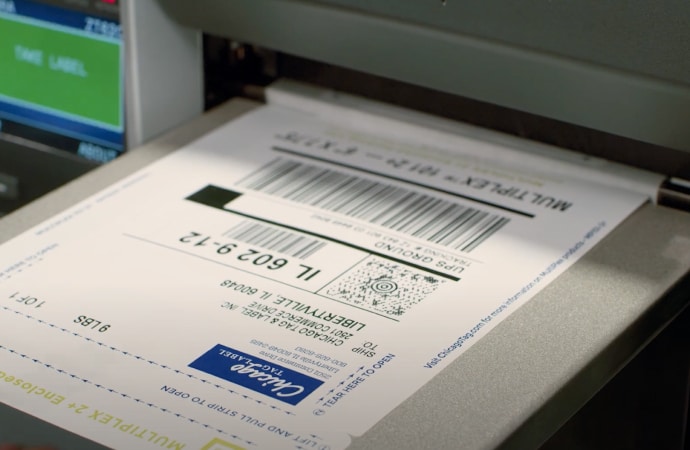
- Shipping addresses
- Barcodes
- Tracking numbers
- Carrier information
It’s also the default size for most thermal printers and automated labeling systems, making it the most efficient option for high-volume shipping environments.
Most Common Shipping Label Sizes and Dimensions
While 4” x 6” is the industry standard, several other shipping label sizes and dimensions are commonly used depending on the application.
- 4” x 6” (Standard Shipping Label Size)
The most widely used format for shipping labels. Ideal for e-commerce, warehouse operations, and compatibility with major carriers and thermal printers. - 4” x 4” (Compact Shipping Labels)
A smaller option for lightweight or compact packages where less information is required. - 4” x 8” (Extended Shipping Labels)
Provides additional space for international shipments, extra barcodes, or detailed shipping information. - 2” x 4” (Small Barcode Labels)
Commonly used for smaller packages, envelopes, or secondary barcode labels for internal tracking. - 8.5” x 11” (Full Sheet Labels)
Typically used with laser or inkjet printers. Often printed on standard paper and folded or placed in a pouch.
Each size serves a different purpose, and choosing the right one depends on how much information needs to be displayed and how the label will be applied.
How to Choose the Right Shipping Label Size
Selecting the correct shipping label size comes down to your workflow requirements.
Here are a few main factors to consider:
- Package size: Larger packages often require larger labels for visibility
- Carrier requirements: Most carriers prefer or default to 4” x 6”
- Printer compatibility: Thermal printers typically use roll labels, while office printers use sheet formats
- Barcode readability: Labels must be large enough for accurate scanning
- Shipping environment: Labels should withstand handling, moisture, and temperature changes
If you’re unsure about specific carrier guidelines, reviewing official shipping label requirements by carrier can help ensure compliance.
Why Shipping Label Dimensions Matter for Barcode Scanning
One of the most overlooked factors in shipping is how label size impacts barcode performance.
Barcodes need:
- Enough space to print clearly
- Proper contrast
- Adequate quiet zones (blank space around the code)
Smaller labels can limit barcode size, which may lead to scanning errors, delays, or rejected shipments. Following established barcode standards helps ensure your labels scan correctly across all systems, especially in high-speed warehouse and distribution environments.
Shipping Label Sizes by Industry Use Case
E-commerce Shipping
Most e-commerce operations rely on 4” x 6” labels because they:
- Print quickly
- Work with thermal printers
- Support high-volume fulfillment
Warehouse & Distribution
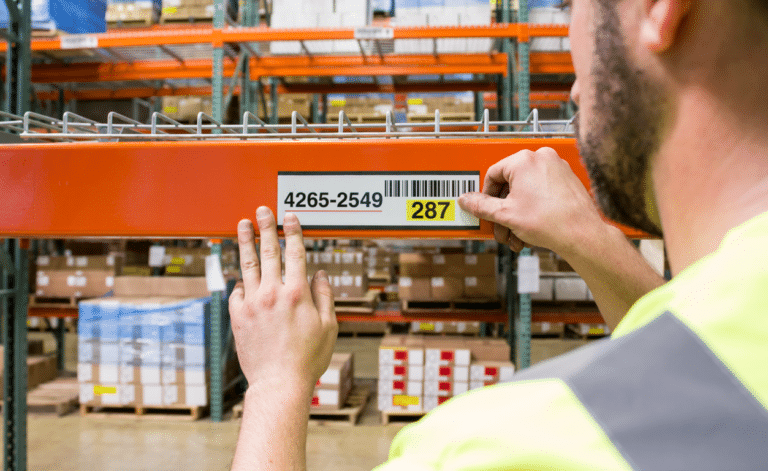
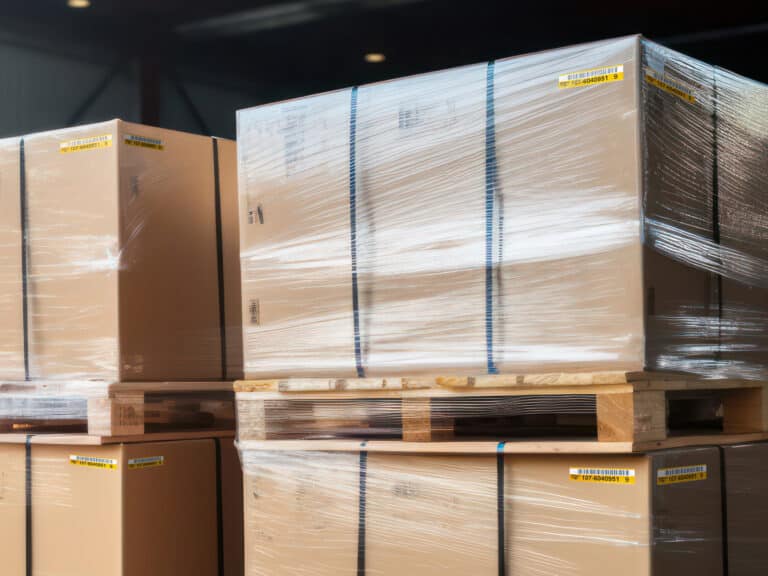
Warehouses often require larger or more visible labels for palletized shipments and bulk inventory. Using warehouse pallet labels helps improve visibility, streamline sorting, and reduces picking errors in fast-moving environments.
Manufacturing & Industrial Applications
Manufacturing environments often require labels that can withstand harsh conditions like heat, friction, and chemicals. Durable industrial barcode labels are commonly used to maintain scan accuracy and long-term performance in these settings.
Integrated Shipping & Documentation
Some operations benefit from combining shipping labels with packing lists or other documents. Solutions like integrated shipping labels allow businesses to streamline workflows by combining multiple pieces of information into a single label.
Thermal vs Sheet Labels: Size Compatibility
Your printer type plays a major role in determining which shipping label dimensions you can use.
- Thermal printers typically use roll labels, most commonly 4” x 6”
- Laser and inkjet printers often use 8.5” x 11” sheets
- Mobile printers may require smaller, compact label sizes
If you’re running a high-volume operation, using the right thermal label solutions can significantly improve speed and efficiency.
Standard vs Custom Shipping Label Sizes
While standard sizes work for most applications, they aren’t always the most efficient option.
Custom shipping labels allow you to:
- Optimize label size for your packaging
- Improve branding and presentation
- Reduce wasted space
- Enhance workflow efficiency
For businesses with unique requirements, investing in custom shipping labels can provide a more tailored solution that aligns with your operations.
Common Mistakes When Choosing Shipping Label Sizes
Even experienced shippers can run into issues when selecting label sizes.
Avoid these common mistakes:
- Choosing labels that are too small for barcodes
- Using the wrong format for your printer
- Ignoring carrier guidelines
- Placing labels where they’re difficult to scan
- Using materials that don’t hold up during transit
Small mistakes in label selection can lead to big problems in shipping accuracy and delivery performance.
Choosing the Best Shipping Label Size for Your Operation
Understanding the most common shipping label sizes is the first step toward improving your shipping and fulfillment processes.
While the standard shipping label size of 4” x 6” works for most applications, the best solution depends on your workflow, equipment, and environment. In many cases, custom sizing and materials can further enhance performance and efficiency.
If you’re looking to improve your shipping process, explore our full range of custom shipping labels created to meet the demands of modern logistics, warehousing, and e-commerce operations. Give our team a call at +1 (800) 826-8260 to receive assistance with choosing and ordering new shipping labels.