Barcode labels power modern inventory tracking, retail checkout systems, warehouse management, and supply chain visibility. From scanning products at point-of-sale to tracking pallets across distribution centers, there are various types of barcode labels that are designed to improve accuracy and operational efficiency.
According to global standards organization GS1, billions of barcode scans occur daily worldwide. Businesses rely on custom barcode labels to reduce manual data entry errors, streamline workflows, and maintain real-time visibility into inventory and assets.
However, not all barcode labels are the same. Different applications require different materials and formats.
In this guide, we’ll break down the top types of barcode labels, explain how they differ, and help you determine which option best fits your operation.
What Are Barcode Labels and Why They Matter
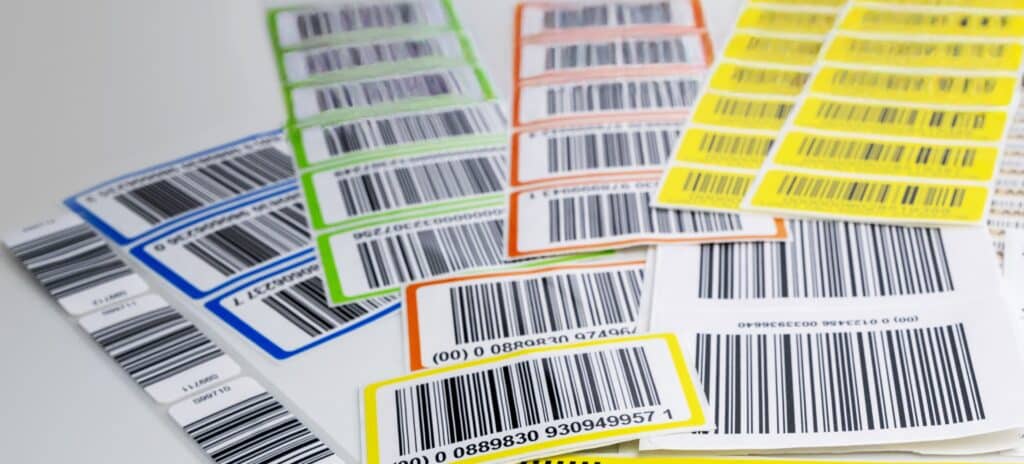
A barcode label is a printed identification label that contains a machine-readable code representing data such as a product number, asset ID, pallet ID, or shipment identifier.
When scanned, the barcode instantly pulls up information in a warehouse management system (WMS), enterprise resource planning (ERP) system, or point-of-sale (POS) system.
Barcode labels help businesses:
- Reduce manual entry errors
- Improve inventory accuracy
- Increase picking and shipping speed
- Enhance traceability and compliance
Research across warehouse environments shows that barcode scanning can reduce manual data entry errors by more than 80% compared to manual systems.
Reliable performance starts with the right label construction. Businesses often rely on durable industrial barcode labels , retail barcode labels, and retail hang tags to ensure long-term scan accuracy in their specific environments.
Barcode Label Types by Use Case
The durability and design of the label itself determine how well a barcode performs in real-world conditions. Here are the most common barcode label types used in business operations:
1. Industrial Barcode Labels
Industrial barcode labels are engineered for demanding environments where durability is critical. These labels are designed to withstand:
- Heat
- Moisture
- Chemicals
- Abrasion
- Outdoor exposure
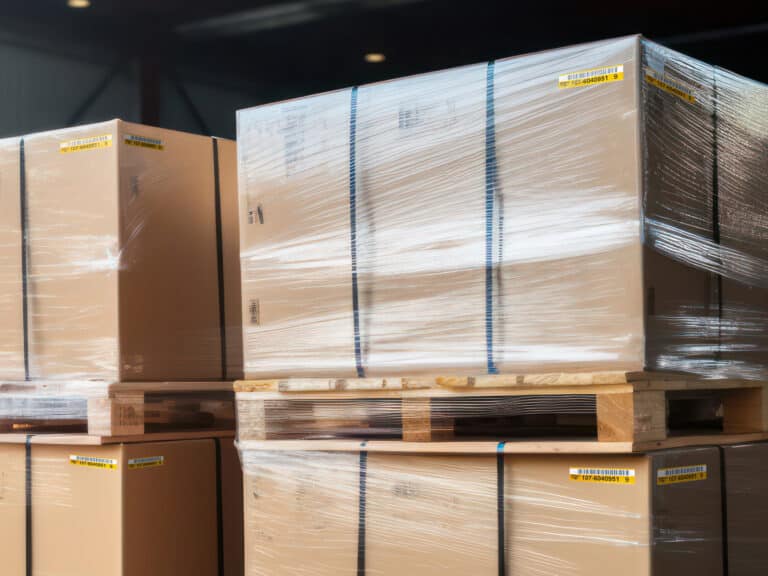
They are commonly used for asset tracking, equipment identification, manufacturing components, and pallet labeling in warehouse distribution environments.
Chicago Tag & Label manufactures high-performance industrial barcode labels built for scanning reliability in harsh conditions.
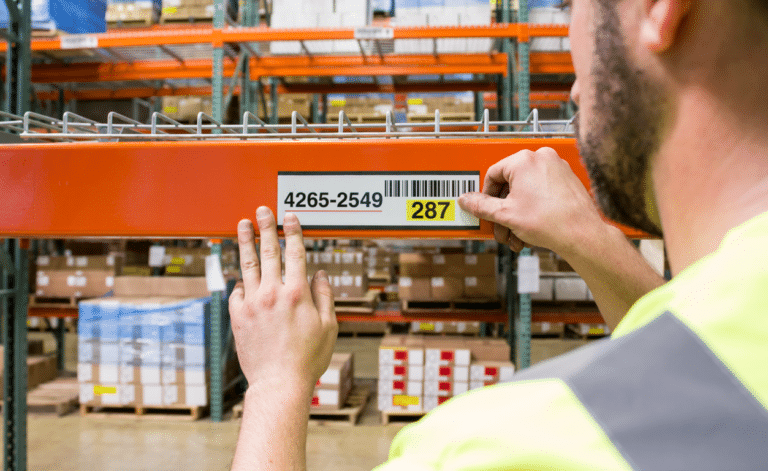
Industrial barcode labels are often integrated into broader warehouse systems such as rack labeling systems and warehouse pallet labels, creating an organized and efficient inventory environment.
2. Retail Barcode Labels
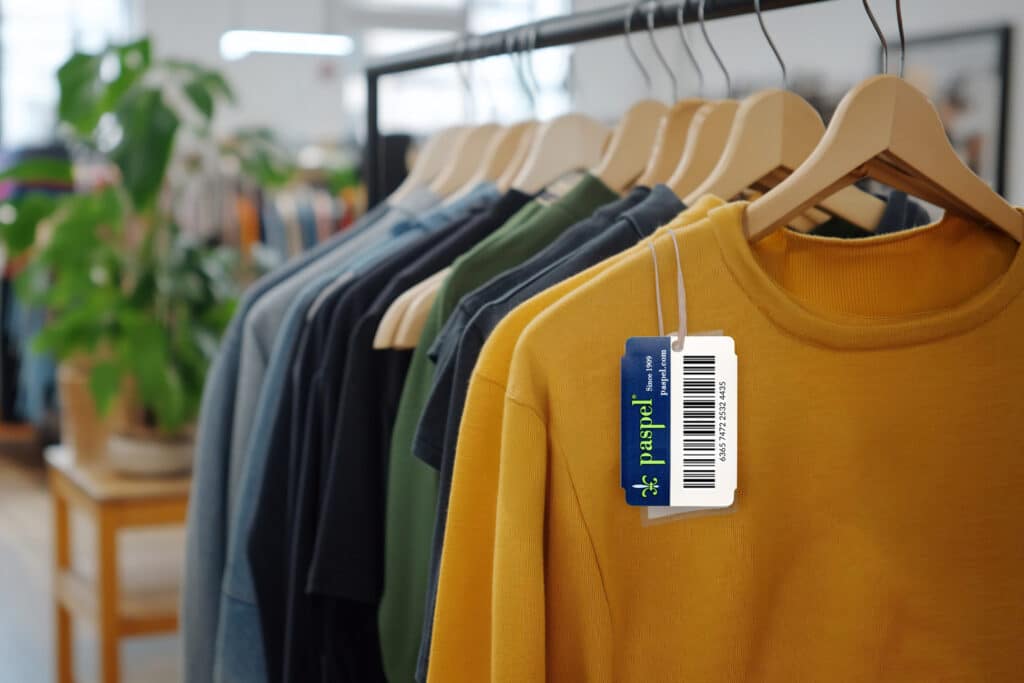
Barcode labels allow ammunition inventory to be tracked quickly and accurately at every stage of storage and movement. Each scan captures real-time data, reducing reliance on manual entry and minimizing errors. Retail barcode labels are optimized for point-of-sale scanning and inventory control. These typically use UPC or EAN codes and are applied to:
- Product packaging
- Retail hang tags
- Shelf labels
Retail barcode labels must balance clarity, scannability, and branding requirements. Clean printing and proper sizing are critical for smooth checkout performance.
Chicago Tag & Label provides customized retail barcode labels that help retailers maintain inventory accuracy and checkout efficiency. Retail labeling practices are governed by global standards coordinated through GS1.
3. Custom LPN Barcode Labels

LPN (License Plate Number) barcode labels are specialized identifiers used in warehouse and distribution environments.
An LPN barcode assigns a unique identifier to:
- Pallets
- Cartons
- Totes
- Cases
Instead of tracking each SKU individually during movement, warehouses can scan the LPN and retrieve all associated contents instantly.
Chicago Tag & Label produces custom LPN barcode labels engineered for high-volume fulfillment operations and seamless WMS integration. LPN labeling significantly improves picking accuracy and reduces shipping errors in distribution centers.
Barcode Formats: 1D vs 2D
When discussing types of barcode labels, it is important to distinguish between barcode formats (the type of code) and label construction (the material and application).
1D (Linear) Barcodes
1D barcodes are traditional horizontal barcodes. Common examples include:
UPC (Universal Product Code)
- EAN
- Code 39
- Code 128
These barcodes typically store up to 20–25 characters and are widely used in retail and industrial settings. UPC codes dominate retail checkout systems, while Code 128 is common in logistics and warehouse operations.
For more information about standardized barcode formats, visit GS1 US barcode resources.
2D Barcodes
2D barcodes store information both horizontally and vertically, allowing them to contain significantly more data, often hundreds or thousands of characters.
UPC (Universal Product Code)
- EAN
- Code 39
- Code 128
These are frequently used for serialization, compliance labeling, asset tracking, and applications requiring higher data density.
For a deeper breakdown of barcode formats and how they’re used, see Scandit’s barcode guide.
How to Choose the Right Barcode Label
Choosing the correct type of barcode label depends on several operational factors:
1. Environment
Will the label face heat, cold storage, chemicals, or outdoor exposure? Industrial-grade materials may be required.
2. Surface Type
Different surfaces such as metal, plastic, or corrugated cardboard require different adhesives and materials.
3. Data Requirements
Simple UPC codes differ from serialized 2D barcodes. Determine how much data needs to be stored.
4. Workflow Integration
Does your operation rely on pallet tracking, rack labeling, or LPN systems?
If you’re unsure which option is best, explore custom label solutions made to match your workflow and environment.
Barcode Label Best Practices
To ensure consistent scan performance:
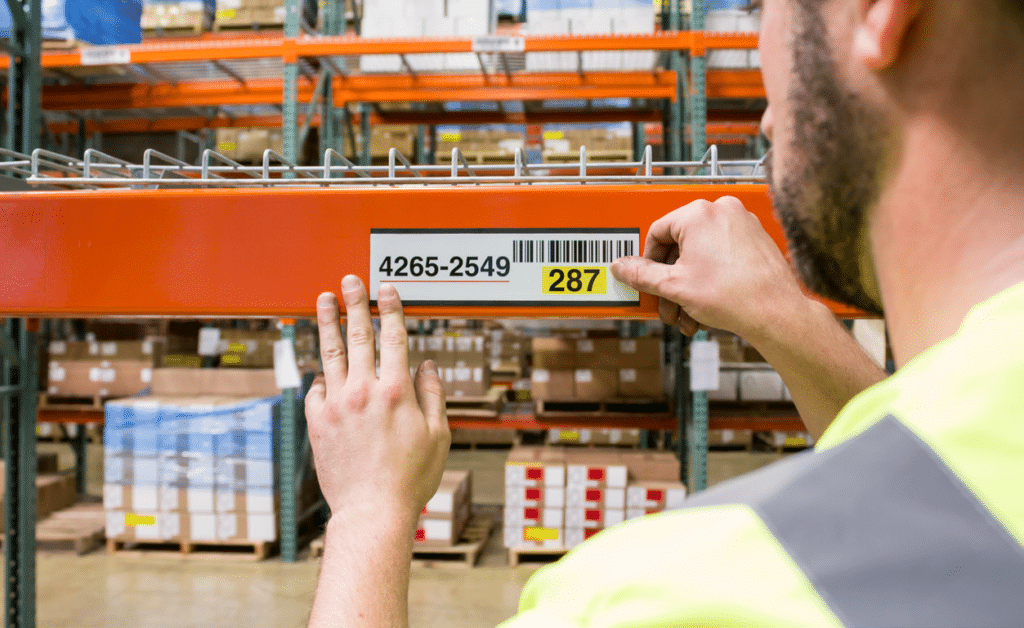
- Clean application surfaces before labeling
- Maintain proper contrast between bars and background
- Avoid placing labels over seams or uneven surfaces
- Test barcode readability before full production runs
Thermal printing systems are widely used for barcode production. High-quality thermal labels and ribbons help ensure crisp, durable prints that resist smudging and fading.
FAQ Questions About Barcode Labels
1. What are barcode labels used for?
Barcode labels are used to track products, inventory, and assets across retail, warehouse, and supply chain environments, helping businesses improve accuracy and efficiency.
2. What are the different types of barcode labels?
The most common types of barcode labels include industrial barcode labels, retail barcode labels, and LPN barcode labels, each designed for specific environments and tracking needs.
3. Why are barcode labels important for businesses?
Barcode labels reduce manual data entry errors, improve workflow efficiency, and provide real-time visibility into inventory and operations.
4. What happens if you choose the wrong barcode label?
Using the wrong type of barcode label can lead to scanning failures, peeling, fading, and operational delays, which can negatively impact productivity and accuracy.
5. What barcode labels are best for warehouse operations?
Warehouse operations typically require durable barcode labels such as pallet labels or LPN labels that support inventory tracking and withstand handling and environmental conditions.
6. What barcode labels are used in retail?
Retail environments commonly use barcode labels for product identification, pricing, and point-of-sale scanning, often in the form of UPC-based labels.
7. What are LPN barcode labels used for?
LPN (License Plate Number) barcode labels are used in warehouses and distribution centers to track pallets, cartons, and inventory throughout the supply chain.
8. What is the difference between 1D and 2D barcode labels?
1D barcodes store data in horizontal lines, while 2D barcodes store information both horizontally and vertically, allowing them to hold more data in a smaller space.
9. How long do barcode labels last?
The lifespan of barcode labels depends on the material and environment, ranging from short-term use for paper labels to several years for durable synthetic labels.
10. What size should a barcode label be?
Barcode label size depends on scanning distance and application, with larger labels required for warehouse environments and smaller labels suitable for retail products.
11. What materials are barcode labels made from?
Barcode labels are made from a variety of materials, including paper for short-term use and synthetic materials like polypropylene or polyester for more demanding environments. The choice of material depends on durability needs and environmental conditions.
Request a Quote for Custom Barcode Labels
Barcode labels play a critical role in e-commerce fulfillment operations, inventory control, logistics, retail operations, and asset management. Understanding the differences between industrial, retail, and LPN barcode labels, along with 1D and 2D formats, helps businesses select solutions that match their operational needs.
Whether you require rugged industrial barcode labels, point-of-sale retail barcode labels, or warehouse-focused custom LPN barcode labels, choosing the right material, format, and adhesive ensures long-term scanning accuracy and workflow efficiency.
Barcode technology continues to power global commerce, and the right label makes all the difference. If you need assistance finding the correct type of barcode labels, contact our team at +1 (800) 826-8260.