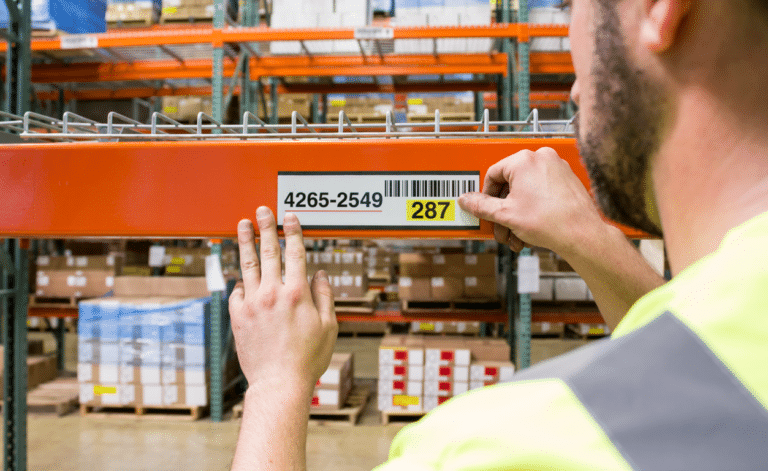
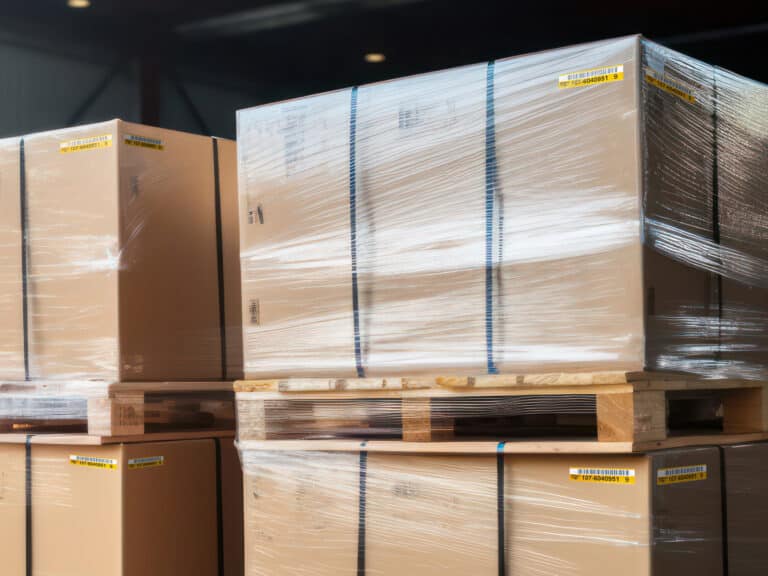
Efficient warehouse operations depend on one critical factor: organization. Without a structured system in place, inventory becomes difficult to track, picking slows down, and costly errors increase. If you’re looking for a practical way to improve accuracy and efficiency, learning how to organize warehouse inventory using pallet labels and barcode systems is one of the most effective strategies.
In this guide, we’ll walk through how to improve warehouse organization using a proven labeling system that combines pallet labels, rack labels, and barcode tracking.
Why Warehouse Organization Matters for Inventory Accuracy
Poor warehouse organization leads to more than just clutter; it directly impacts your bottom line.
Common problems include:
- Misplaced or lost inventory
- Picking and shipping delays
- Incorrect orders
- Inefficient workflows
A well-organized warehouse improves visibility, reduces errors, and ensures that your team can quickly locate and move inventory.
What Is Warehouse Organization?
Warehouse organization is the process of structuring your inventory, storage locations, and workflows to maximize efficiency and accuracy.
This includes:
- Clearly defined storage zones
- Standardized labeling systems
- Consistent tracking methods
A strong warehouse organization strategy makes sure every product has a defined place and can be easily found when needed.
The Four Components of Warehouse Inventory Organization
To optimize your warehouse, you need more than just shelving and storage; you need a complete labeling system which includes the following:
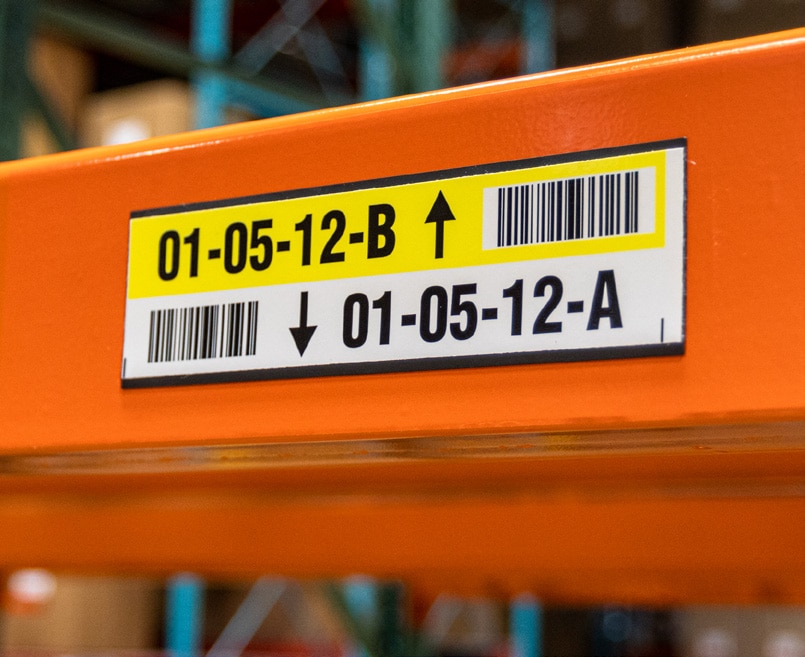
1. Rack Labels and Signs (Location Identification)
Rack labels and warehouse signs identify where inventory is stored within your warehouse. By labeling racks, aisles, shelves, and bins with barcodes or readable text, your team can quickly locate items and reduce search time.
Using rack labels and warehouse signs allows for:
- Faster picking
- Accurate location tracking
- Integration with warehouse management systems
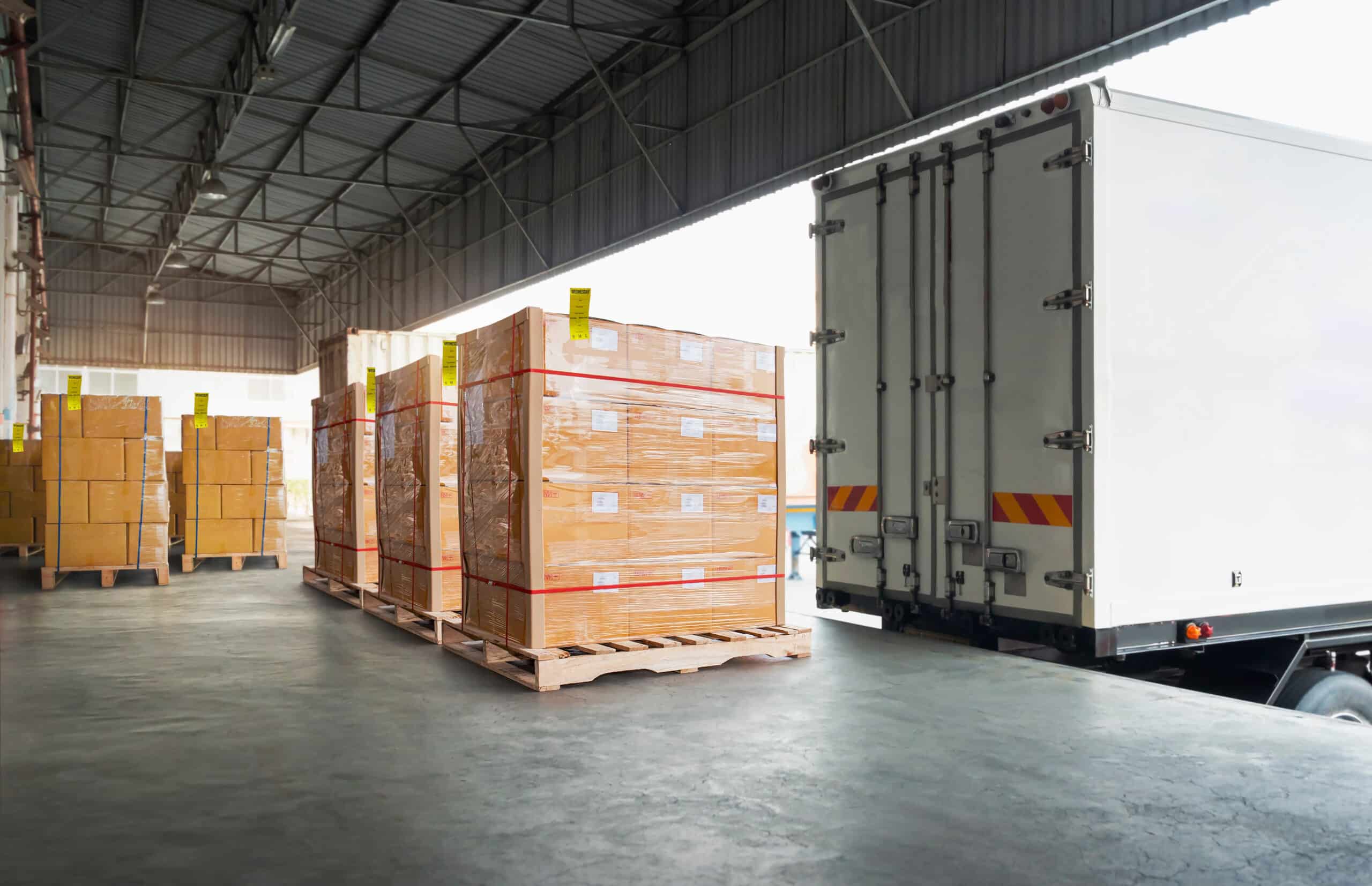
2. Pallet Flag Labels (Inventory Grouping)
Pallet labels are essential for identifying grouped inventory as it moves through your warehouse. These labels typically display key information such as barcodes, product details, and shipment data.
High-quality warehouse pallet labels improve:
- Inventory visibility
- Sorting accuracy
- Workflow efficiency
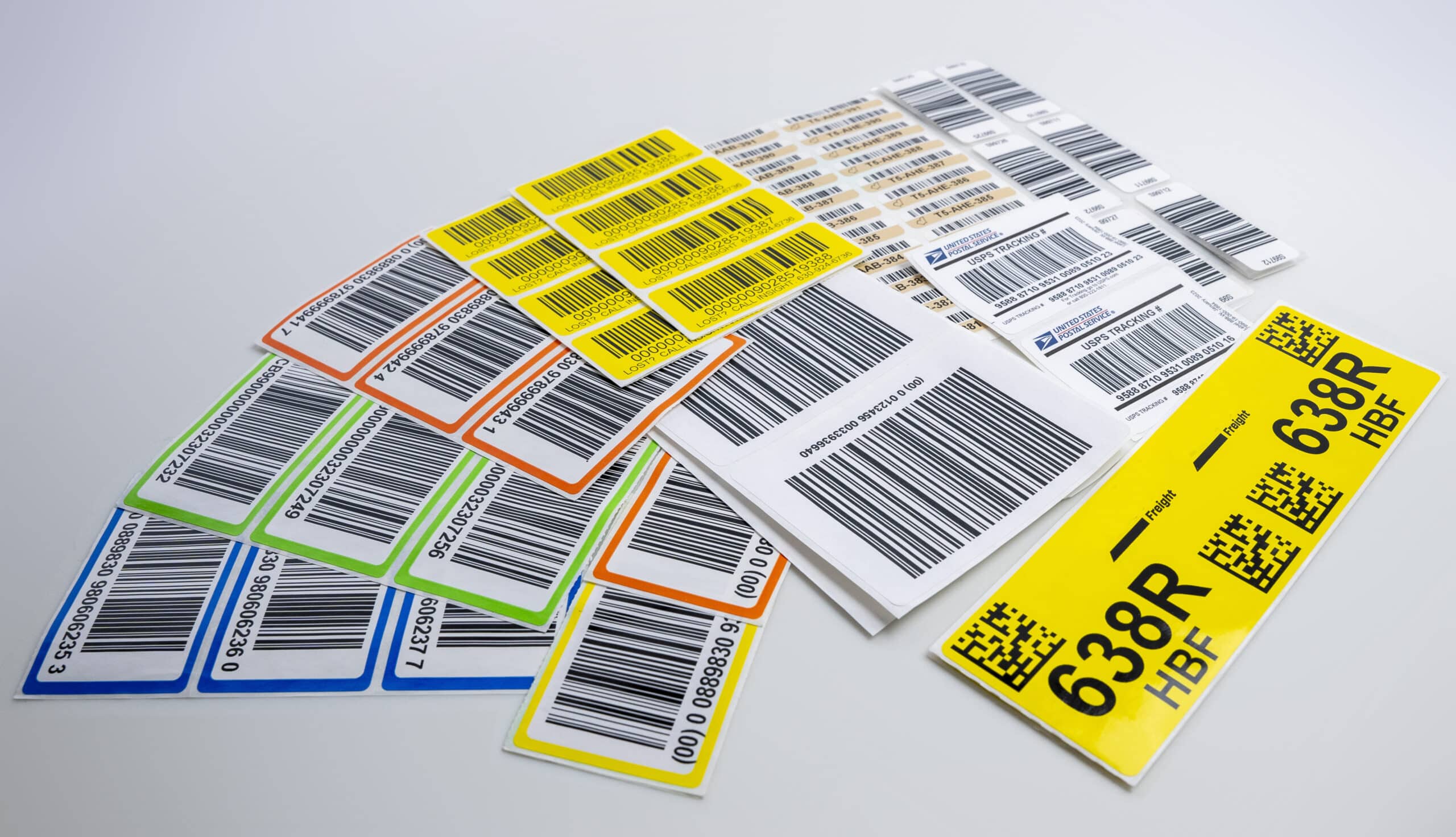
3. LPN Barcode Labels (Tracking & Traceability)
License Plate Number (LPN) labels assign a unique identifier to each pallet, carton, or tote. This allows inventory to be tracked in real time as it moves through your facility.
Using LPN barcode labels enables:
- Real-time tracking
- Improved inventory accuracy
- Faster picking and packing

4. Industrial Barcode Labels (Scanning & Durability)
Industrial barcode labels are an easy way to organize your warehouse inventory. They allow your team to scan and update inventory quickly and accurately.
Durable industrial barcode labels are designed to:
- Withstand harsh environments
- Maintain scan accuracy over time
- Support automation and digital tracking systems
For more on barcode standards and how they support inventory tracking, refer to barcode standards from GS1, the global authority on barcode implementation.
Step-by-Step Guide to Organizing Warehouse Inventory
If you’re starting from scratch, or improving your current system, follow these steps:
- Assess your current warehouse layout
- Define storage zones (receiving, picking, staging, shipping)
- Implement rack labeling for location accuracy
- Use pallet labels to group and identify inventory
- Assign LPN barcode labels for tracking
- Standardize barcode scanning processes
- Train staff on labeling and inventory procedures
This structured approach ensures consistency across your warehouse and reduces the risk of errors.
Best Practices for Using Pallet Labels in Warehouse Organization
To get the most out of pallet labeling, consider these best practices:
- Use large, high-contrast labels for visibility
- Apply labels on multiple sides of pallets
- Incorporate color coding for quick identification
- Ensure barcode clarity for accurate scanning
- Choose durable materials for high-traffic environments
These strategies help ensure your labeling system remains effective over time.
Pallet Labels vs Tags: What’s the Difference?
Both pallet labels and tags play an important role in warehouse organization, but they serve different purposes.
- Pallet labels are adhesive and ideal for long-term identification
- Pallet tags are often temporary and used for staging or short-term tracking
Using both together can create a more flexible and efficient labeling system.
Common Warehouse Organization Mistakes to Avoid
Even with the right tools, mistakes can reduce efficiency. Avoid these common issues:
- Failing to label all inventory
- Using inconsistent label formats
- Poor barcode quality or placement
- Lack of color coding
- Not updating labels regularly
For more insights, check out these warehouse organization mistakes that can impact efficiency and accuracy.
How Labeling Improves Warehouse Efficiency
A well-implemented labeling system has a measurable impact on performance.
Benefits include:
- Faster picking and packing
- Reduced errors and returns
- Improved inventory visibility
- Better workflow coordination
According to industry warehouse organization best practices, companies that implement structured labeling systems can significantly improve operational efficiency and reduce labor costs.
Choosing the Right Warehouse Labeling System
Not all labeling systems are the same. To choose the right solution, consider:
- Warehouse environment (temperature, moisture, traffic)
- Surface type (wood, stretch wrap, metal)
- Barcode requirements
- Adhesive strength
- Custom vs standard label formats
Selecting the right combination of labels ensures long-term performance and reliability.
Build a Smarter Warehouse Organization System
Organizing your warehouse inventory doesn’t have to be complicated, but it does require the right system. Chicago Tag and Label offers a large selection of warehouse labels and tags to meet your unique requirements. By combining rack labels, pallet labels, LPN barcode labels, and durable barcode solutions, you can create a streamlined workflow that improves accuracy, visibility, and efficiency.
If you’re ready to improve your operations, explore our full range of warehouse pallet labels designed to help you organize, track, and manage inventory with confidence. Give our team a call at +1 (800) 826-8260 to receive assistance.