Protecting products, equipment, and sensitive information has become a priority for businesses across every industry. Whether you’re shipping high-value goods, managing medical supplies, or tracking assets, tamper proof security labels are used to prevent unauthorized access and ensure product integrity.
In this guide, we’ll break down the most common types of tamper proof security labels, how they work, and how to choose the right solution for your specific application.
What Are Tamper Proof Security Labels?
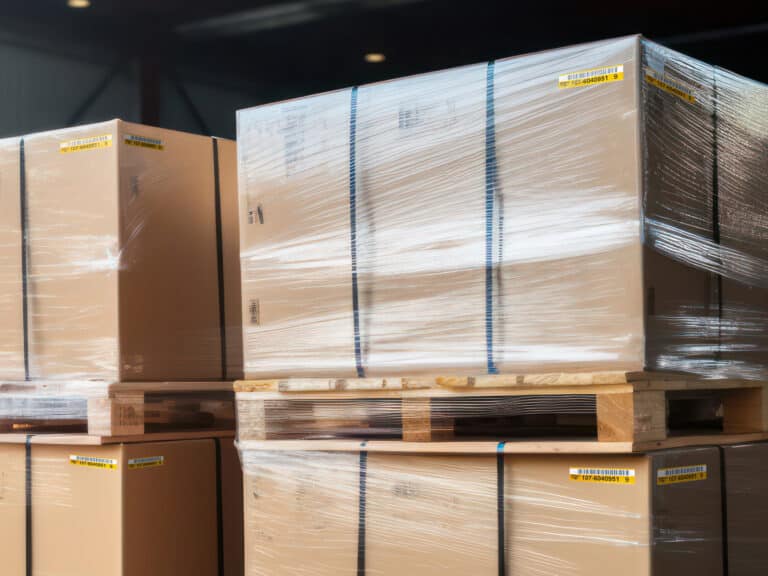
Tamper proof security labels are designed to provide clear, visible evidence when a product or package has been opened or altered. Unlike standard custom labels, these solutions are engineered to either break, distort, or leave behind a message when tampering occurs.
You may also hear the term “tamper evident labels.” While often used interchangeably, the idea is the same: these labels help detect interference and discourage unauthorized access.
Why Tamper Proof Labels Are Important
Businesses rely on tamper proof security labels for more than just security. They also support compliance, accountability, and customer trust.
Some of the main benefits include:
- Prevent unauthorized access to products or equipment
- Protect product integrity during shipping and storage
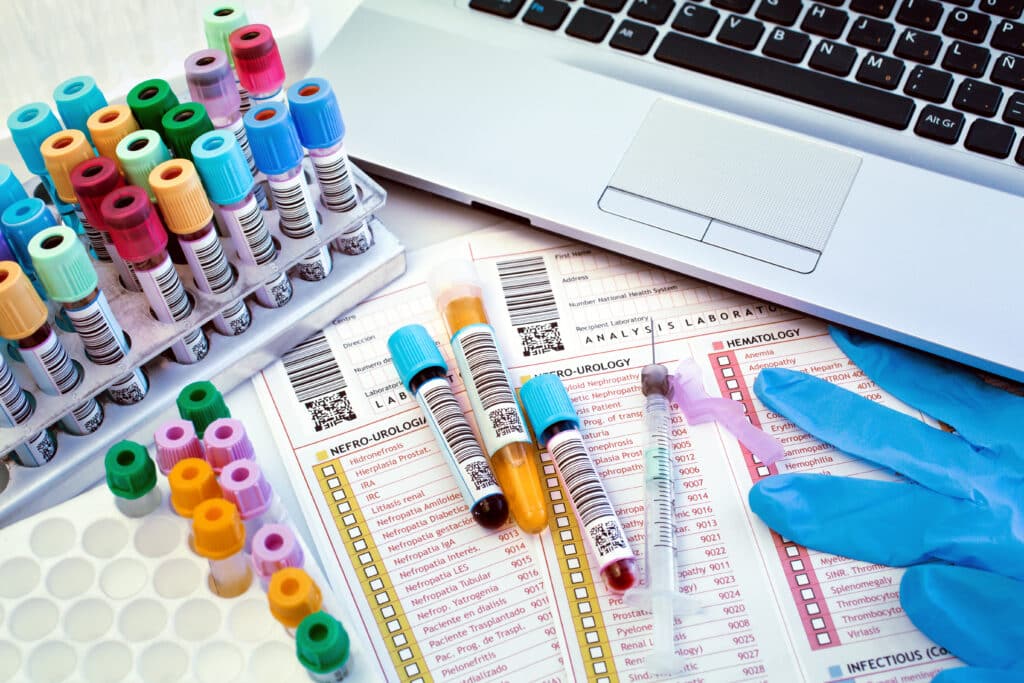
- Support regulatory compliance in industries like healthcare
- Improve traceability and accountability
- Reinforce brand credibility and customer confidence
Top Types of Tamper Proof Security Labels
There are several types of tamper proof security labels, each designed for specific use cases. Choosing the right type depends on your environment, product, and level of security required.
1. Void Labels
Void labels are one of the most widely used security label types. When removed, they leave behind a visible message such as “VOID” or “OPENED.”
These are commonly used for:
- Electronics
- Packaging seals
- Warranty protection
2. Destructible Labels
Destructible labels are designed to break apart when someone attempts to remove them. This category of tamper proof security labels cannot be removed cleanly.
These labels are ideal for:
- Asset tracking
- Equipment identification
- Security seals on devices
They are often used where permanent labeling is required.
3. Tamper-Evident Seals
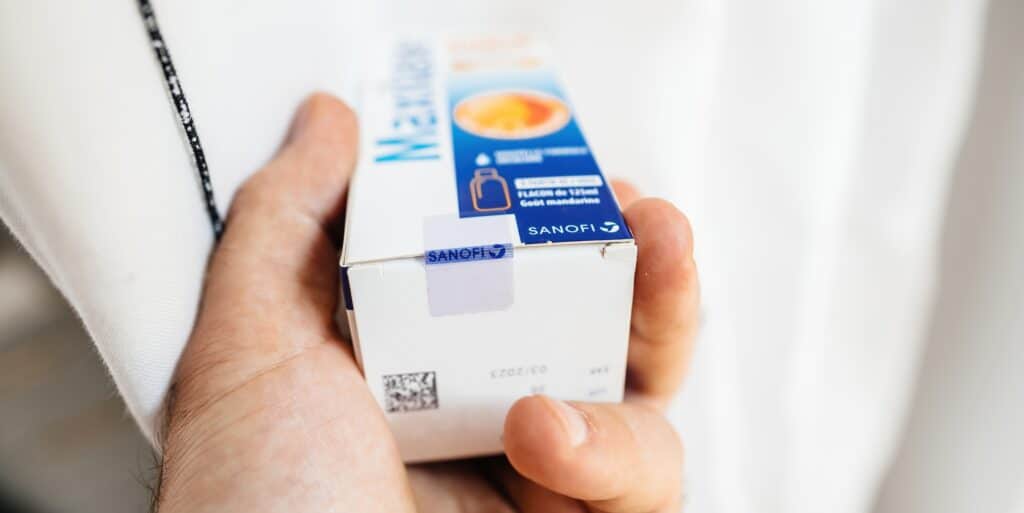
Tamper-evident seals are applied across openings, such as boxes or containers. If the seal is broken, it’s immediately clear that the package has been opened.
Common applications include:
- Shipping cartons
- Pharmaceutical packaging
- Food and beverage containers
- Food service delivery bags
4. Holographic Security Labels
Holographic labels add an extra layer of security by incorporating visual elements that are difficult to replicate.
These are often used for:
- Brand protection
- Anti-counterfeiting
- High-value products
They also enhance visual appeal while improving security.
Read More: What Is the Standard Shipping Label Size?
5. Perforated Security Labels
Perforated labels are designed to tear easily, preventing them from being removed intact. This type of tamper proof security label is impossible to reuse.
They are typically used for:
- Packaging seals
- Retail products
- Inventory control
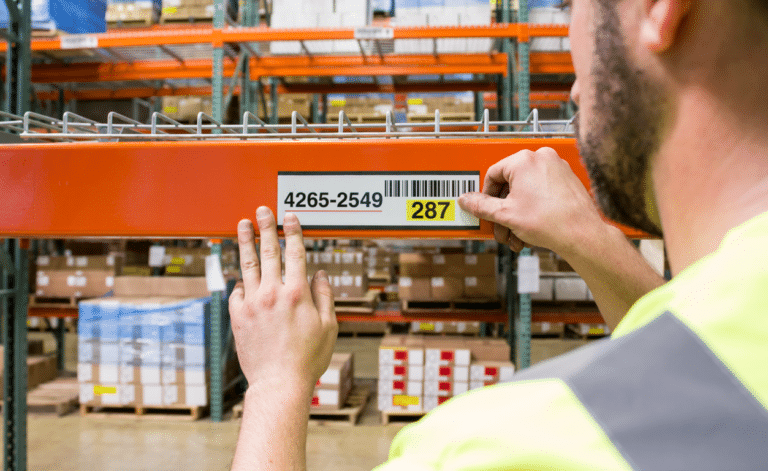
6. Serialized Barcode Labels
Serialized labels include unique barcodes or serial numbers, allowing each item to be individually tracked.
These labels are commonly used for:
- Inventory management
- Supply chain tracking
- Asset identification
If you’re looking for tracking solutions, barcode labels for tracking can help improve visibility and accuracy.
7. RFID Security Labels
RFID labels take security and tracking a step further by enabling wireless data capture. These labels can be scanned without direct line-of-sight, making them ideal for high-volume environments.
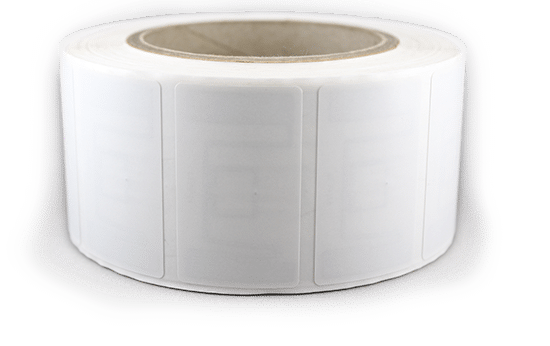
They are often used in:
- Warehousing
- Logistics
- Retail inventory systems
8. Security Tape and Seals
Security tape is used to seal cartons and packages. Once removed, it leaves behind visible evidence of tampering.
These are commonly used in:
- Shipping and logistics
- Warehouse operations
- High-security environments
Read More: Medication Labels Guide – Top Types and Ways to Choose
How Tamper Proof Security Labels Work
Tamper proof security labels rely on a combination of materials and adhesives to perform their function.
Adhesives and Materials Explained
- Permanent adhesives bond strongly to surfaces and cannot be removed cleanly
- Destructible films break apart when tampered with
- Specialty die cuts in the labels make them difficult to remove
- Polyester and vinyl materials provide durability and resistance to environmental conditions
The combination of these elements determines how the label reacts when someone attempts to remove or alter it.
How to Choose the Right Tamper Proof Label
Selecting the right tamper proof security labels depends on several factors.

Step-by-Step Approach:
- Identify your security needs
- Consider the environment (heat, moisture, handling)
- Choose the appropriate material and adhesive
- Determine if tracking features like barcodes or RFID are needed
- Match the label type to your application
Choosing Based on Industry
Different industries require different solutions:
- Healthcare: Focus on compliance, safety, and patient protection
- Manufacturing: Prioritize durability and long-term performance
- Retail: Emphasize theft prevention and branding
- Logistics: Ensure secure packaging and shipment tracking
For healthcare-specific applications, explore healthcare labeling solutions.
Best Practices for Using Tamper Proof Labels
To get the best results from your labels:
- Inspect labels regularly for wear or damage
- Apply labels to clean, dry surfaces
- Use the correct adhesive for your environment
- Place labels in visible, accessible areas
- Train employees on proper application
Common Mistakes to Avoid
Even high-quality tamper proof security labels can fail if used incorrectly.
Avoid these common issues:
- Skipping routine maintenance
- Choosing the wrong adhesive for the surface
- Ignoring environmental conditions
- Poor label placement
- Not using barcodes or tracking when needed
View Our Selection of Custom Tamper Proof Labels
Every application is different, which is why customization matters. From materials and adhesives to barcodes and security features, the right solution should be tailored to your needs.
View our catalog of tamper proof labels and custom label printing solutions. As a trusted Chicago label manufacturer, Chicago Tag & Label provides custom solutions designed to meet the demands of modern businesses. Give our team a call at (800) 826-8260 to receive assistance choosing the correct types of labels for your organization.
Frequently Asked Questions About Tamper Proof Security Labels
Tamper proof security labels are used to protect products, packaging, and assets by showing clear evidence if someone attempts to open, remove, or alter them. They are commonly used in industries like healthcare, manufacturing, retail, and logistics to prevent unauthorized access, reduce theft, and maintain product integrity throughout the supply chain.
Tamper evident labels are designed to show visible signs of interference, such as a VOID message or physical damage, while tamper proof labels are often used as a broader term that includes tamper evident features. In most cases, both terms refer to labels that help detect and discourage tampering.
The most common types include void labels, destructible labels, tamper-evident seals, holographic labels, and perforated labels. Each type is designed for a specific purpose, such as leaving behind a message, breaking apart upon removal, or preventing counterfeiting.
These labels work by using specialized adhesives and materials that react when tampered with. Some leave behind a residue or message, while others break apart or distort. This makes it easy to identify if a product or package has been opened or altered.
Most tamper proof security labels are designed to be permanent. Once applied, they cannot be removed without showing visible signs of tampering. The level of permanence depends on the material and adhesive used.
Tamper proof labels are widely used in healthcare, pharmaceuticals, manufacturing, logistics, retail, and electronics. Any industry that requires product security, compliance, or asset tracking can benefit from using these labels.
Yes, many tamper proof security labels can include barcodes, serial numbers, or RFID technology. These features allow businesses to track products, monitor inventory, and improve overall supply chain visibility while maintaining security.
Choosing the right label depends on your application, environment, and level of security required. Factors like surface type, temperature, moisture, and handling conditions all play a role. It’s important to match the label material and adhesive to your specific use case.
Yes, many tamper proof labels are designed to withstand harsh conditions such as heat, cold, moisture, and chemical exposure. Selecting the right material, such as polyester or specialty films, ensures long-term performance in demanding environments.
Tamper proof security labels help protect products, prevent theft, and ensure compliance with industry regulations. They also improve accountability and build trust with customers by providing clear evidence that a product has not been altered or compromised.